
Seeing the World Through Alignment, Not Good and Evil
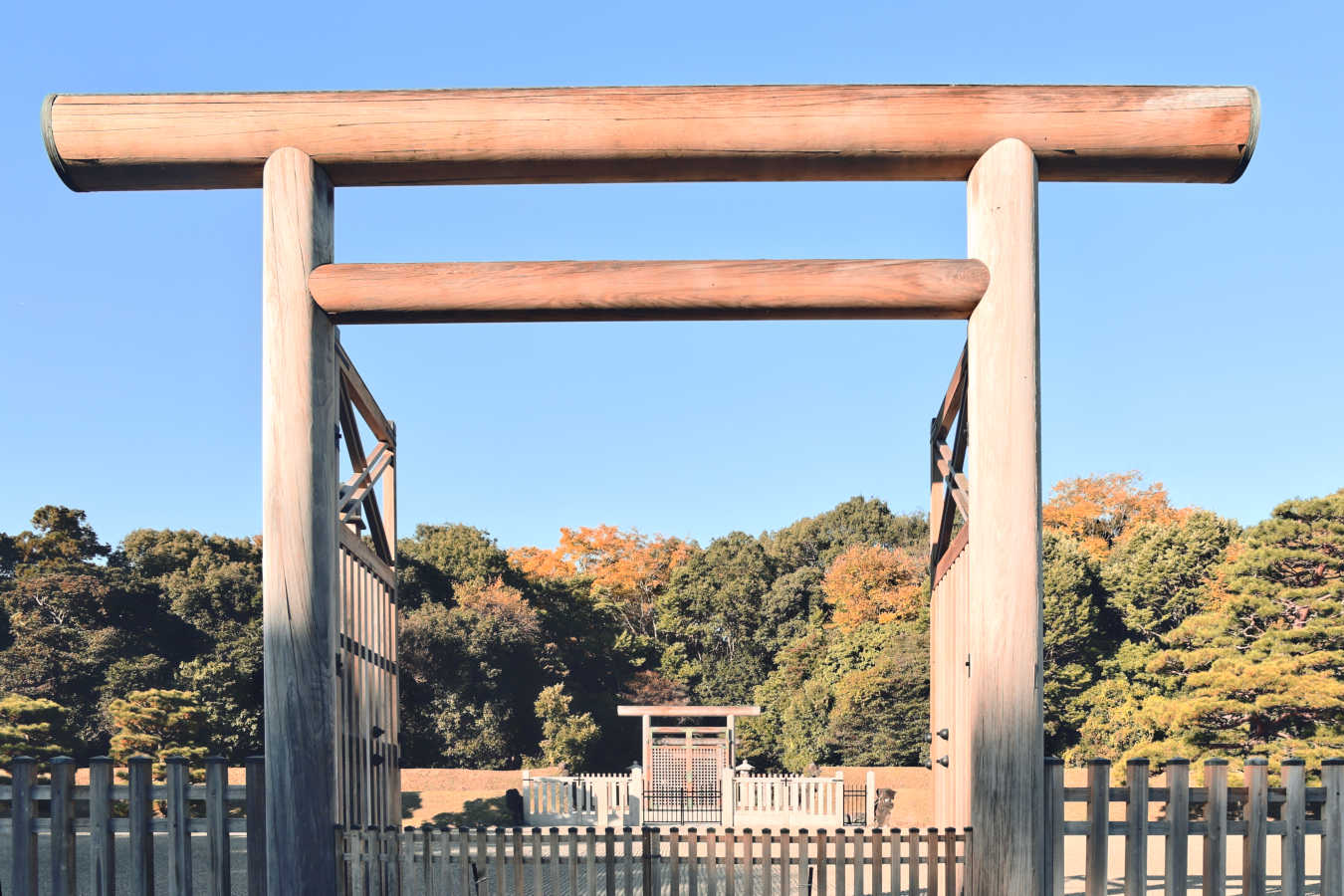
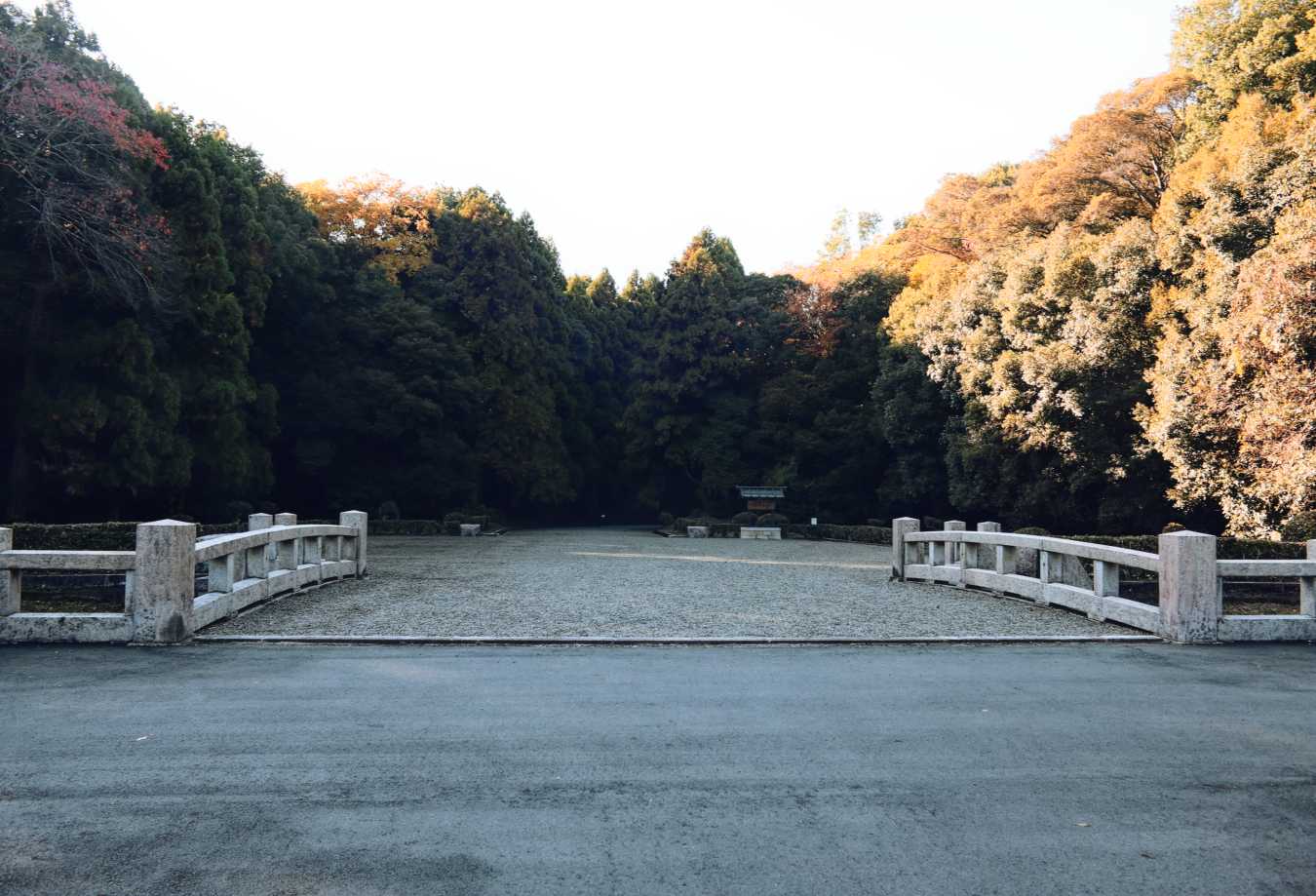
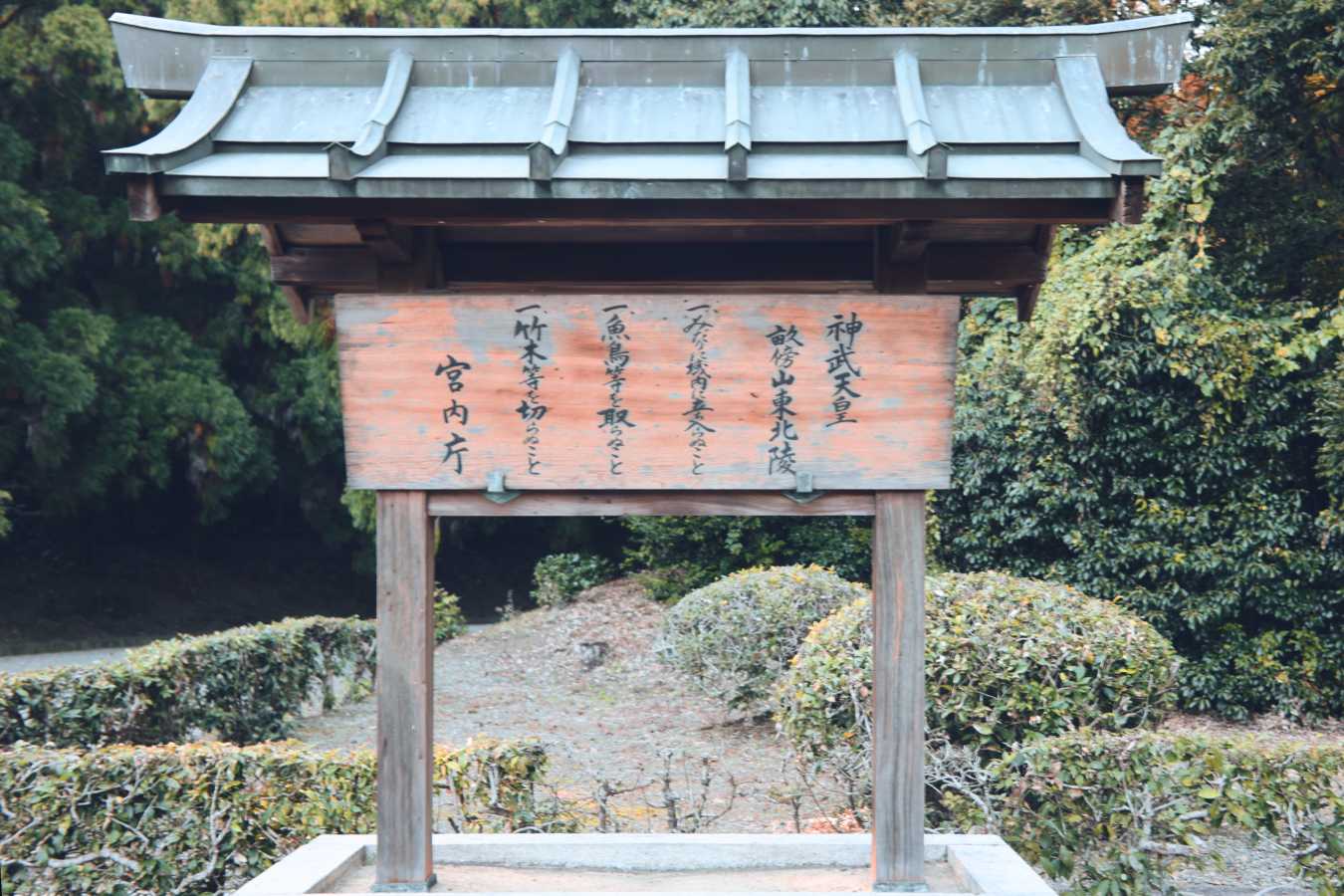
[Episode 1] Discovering the Cultural OS (Part1) Image: 神武天皇陵 (A Site of Origins: Emperor Jimmu’s Mausoleum) - Believed to mark the resting place of Emperor Jimmu, Japan’s legendary first emperor
1. A Culture That Doesn’t Divide the World into Good and Evil
When I think about Japanese culture, what comes to mind first is its gentle refusal to divide the world neatly into “good” and “evil.”
Rather than choosing sides, we often sense whether a situation is in harmony or somehow out of tune.
This subtle orientation shapes an atmosphere where cooperation naturally outweighs confrontation—a quiet cadence unique to Japan.
Perhaps this sensibility emerged from living so closely with nature, a presence that has always been both generous and unpredictable.
Instead of judging it as good or bad, people learned to ask a different question:
How do we find our balance with what is in front of us?
Living abroad, I often witnessed disagreements turn immediately toward “Which side is right?”
In Japan, the conversation tends to drift elsewhere — toward “What will bring this moment back into alignment?”
That difference stayed with me for a long time, gently nudging me toward deeper questions.
Why do process and outcome carry equal weight in Japan?
Why can opposing values coexist without fracturing?
Why does order emerge even when nothing is explicitly said?
Following these questions, I began sensing the presence of something quiet yet pervasive — a kind of hidden architecture running beneath everyday life.
2. The Shinto OS: An Invisible Cultural Engine
What I encountered felt less like a religion or philosophy, and more like a subtle design principle woven into daily behavior.
For lack of a better term, I started calling it the “Shinto OS.”
It is an OS that prioritizes harmony over judgment, one that restores balance rather than enforcing rules.
It absorbs outside ideas without resistance, gently reshaping them until they settle naturally into the landscape of Japanese life.
Somewhere at the base of Japanese culture, I sense this quiet OS working in the background — unobtrusive, adaptive, and soft around the edges.
This OS does not insist on fixed values. Instead, it adjusts itself gracefully to context, guided by an instinctive respect for harmony with the surrounding environment.
Over generations, these responses accumulate — a slow, communal form of updating.
With this lens, many of Japan’s “unspoken rules” begin to form a clearer silhouette.
In Part II, we’ll explore the oldest layer of this OS: the stories that shaped its underlying logic.